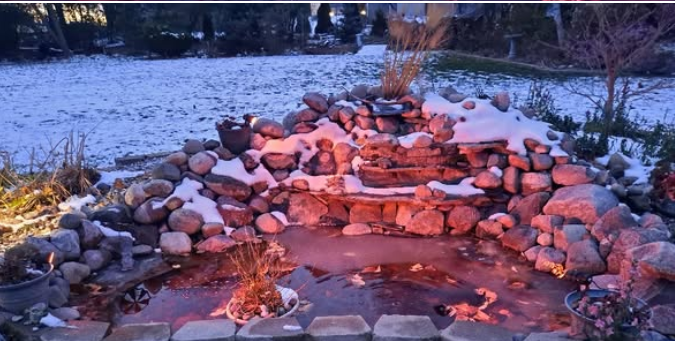

As autumn descends and temperatures drop, many homeowners mistakenly believe their ponds can simply hibernate until spring. However, while visible activity may diminish, the pond's ecosystem remains vibrant and requires careful attention during this transitional period. One of the best ways to ensure your pond thrives through the winter is by introducing a specialized cold-water bacteria product. When used correctly in the fall and winter months, these beneficial bacteria enhance water quality, ease maintenance, promote healthier fish and plants, and set the stage for a pristine pond come spring.
Why winter matters in your pond’s life cycle: Even as water temperatures decline, ponds remain active ecosystems rather than becoming dormant. Organic matter, such as fallen leaves and fish waste continue to accumulate, and while cold water slows down chemical and biological processes, it does not halt them entirely. The decomposition of this organic debris beneath ice or cold water can result in several issues, including an increase in nutrient levels like ammonia, nitrite, nitrates, and phosphates, as well as a decrease in dissolved oxygen. Although colder water retains more oxygen, the decomposition process can still lead to localized oxygen depletion. This situation can culminate in a “spring shock” when temperatures rise, causing fluctuations in water quality and triggering algae blooms. To mitigate these challenges, beneficial pond bacteria play a crucial role by converting nutrients into safer forms and incorporating them into microbial biomass, which helps limit excess nutrients that could otherwise harm fish or promote unwanted algae growth. During the pond's off-season, applying beneficial bacteria designed for water temperatures below 50 degrees is one of the most effective strategies to maintain the health of both the fish and the pond water.
What cold-water pond bacteria does: They decompose organic materials like fish waste, decaying plants, and fallen leaves, transforming them into simpler compounds instead of allowing them to accumulate. This process also converts soluble nutrients, such as phosphates and nitrates, into forms that are less accessible to algae. By maintaining a stable biological foundation in the pond's filter and on underwater surfaces, they ensure that when spring arrives, you won't be starting from scratch. Additionally, they help reduce sediment buildup before spring, which lowers the risk of algae blooms. While some algae will still appear in the spring, their presence will be significantly diminished.
Guidelines for applying cold-water bacteria: Applying Pond bacteria to your water feature is a straightforward process, even in winter. It's important to time the application correctly; you should introduce the bacteria when water temperatures fall below approximately 50 °F and remain there, but before a heavy layer of ice forms. This timing allows the bacteria to remain active and effective. Be sure to adhere to the dosage and treatment schedule indicated on the product label, such as the UltraClear Winter Blend, which specifies the amount needed based on the volume of water. Additionally, maintaining adequate oxygen levels in your pond is crucial, even during colder months. This can be achieved through aeration, gentle water movement, or using a bubbler, as both beneficial bacteria and aquatic life depend on oxygen. Stagnant, ice-covered water can lead to dead zones. Lastly, it's wise to clear away larger debris like leaves and sticks before winter fully sets in, as this will enhance the bacteria's effectiveness. UltraClear Autumn Prep is a blend of pelleted probiotics (good bacteria) for the treatment of ponds to maintain a clean, healthy, balanced water and fish health during the coming colder months beginning in Autumn. Also, using netting over your pond can simplify this task as the leaves begin to fall.

Shop more UltraClear products at tricker.com