-

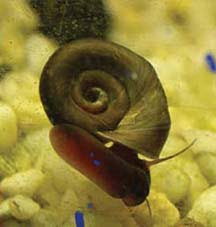
Ramshorn snails are air-breathing creatures that, despite their generally small size, can grow up to two and a half centimeters (one inch). Their shells exhibit a range of colors, from translucent to various shades of brown, culminating in a deep, almost black hue. Among them, the Black Ramshorn Snail stands out for its remarkable ability to eliminate algae and green scum that thrive in sunlight. This makes it an invaluable scavenger for water gardens and aquariums, effectively serving as one of nature’s finest cleaners.
-

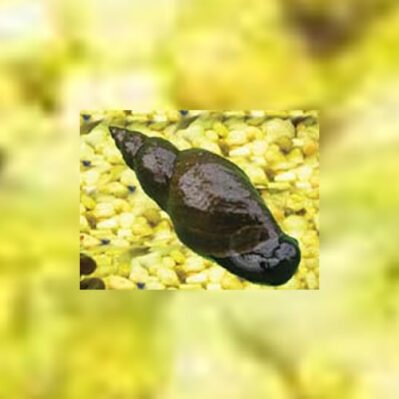
Melantho snails, belonging to the genus Lymnaea and commonly known as pond snails, are resilient freshwater creatures that thrive in various aquatic environments. These active scavengers play a vital role in maintaining the health of water gardens and aquariums by consuming leftover fish food, algae, and decaying plant matter. Their hardiness allows them to endure harsh winter conditions, making them an excellent addition to any aquatic ecosystem. By incorporating Melantho snails into your pond or aquarium, you can enhance the overall balance and cleanliness of the habitat.
-
This diverse snail collection offers a versatile solution for maintaining the health and clarity of your pond. Each species of snail is uniquely adapted to target and consume specific types of organic matter, ensuring a comprehensive cleaning process. From dead leaves and fish waste to excess fish food and various forms of algae, these snails work tirelessly to keep your pond in pristine condition. By introducing this assortment of snails, you can create a self-sustaining ecosystem where nature’s own cleaning crew takes care of the pond’s maintenance, allowing you to enjoy a thriving aquatic environment with minimal effort.
-

This is a special blend for tadpoles and clams that has been used at our nursery for decades. Use a small amount and watch the tadpoles and snails feed.
Feed once a day. Clear water is an indication that scavenger debris food may be limited and the tadpoles and snails need to be fed. In that case, feed twice a day.
-
Sold Out
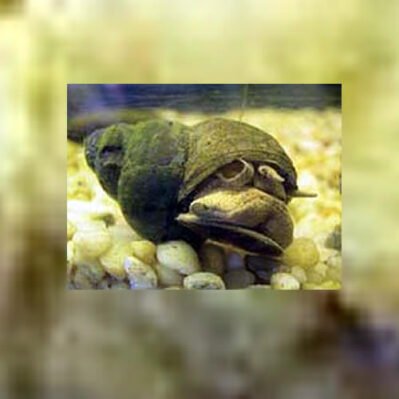
Live Bearing Trapdoor Pond Snails are robust and sizable creatures that can greatly enhance any pool or aquarium environment. Their appetite for algae and green scum plays a crucial role in maintaining clear water, making them an essential addition to your pond. These snails not only help control algae growth but also act as natural decomposers, consuming dead plant matter and fish waste, which prevents the accumulation of harmful substances and improves overall water quality. By breaking down organic material, they facilitate nutrient cycling, enriching the ecosystem for plants and other aquatic life. Additionally, snails provide a vital food source for various pond inhabitants, including fish and amphibians, thereby supporting biodiversity. Their sensitivity to water conditions also makes them excellent indicators of a healthy ecosystem, reflecting adequate dissolved oxygen levels.
-
Sold Out
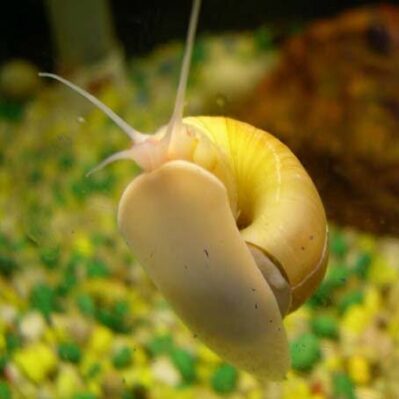
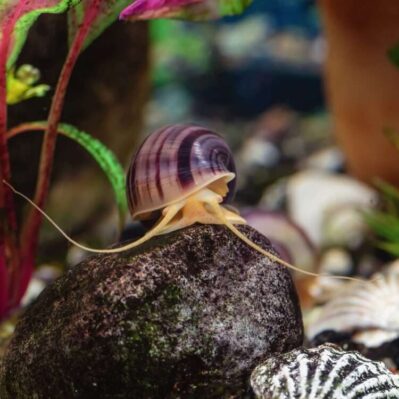
Mystery Snails, freshwater snails, are desired because they are easy to care for and have a quiet temperament. They come in an array of colors to brighten up your tank.
They consume algae and left over fish food that can foul a water garden pool or aquarium making them a good cleaner.
Their attractive appearance resembles the common “trapdoor snail” in size and appearance. The cute pink eggs are laid above the water’s surface on plants or grass. They are not hermaphroditic so you don’t have to be concerned about them reproducing beyond control.
-
Sold Out
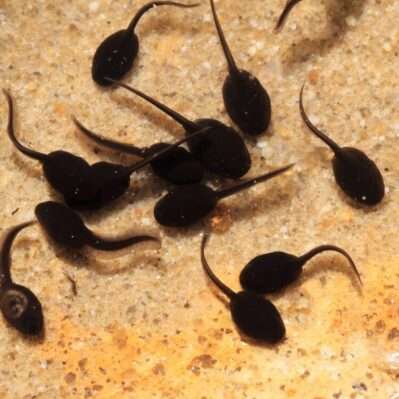
Those of you who are familiar with toads know that these wonderful tadpoles will change to adults in the following weeks. The adult toad will consume a wide range of insects and love to live around water garden pools. A single toad can eat over 1000 insects per day, making them a friend to farmers and gardeners.
The call is a long, dreamlike, musical trill.
Tadpoles are less than 1/2 inch long.
Contrary to superstition, toads do not cause warts. However they may turn into a Prince.
-
Sold Out
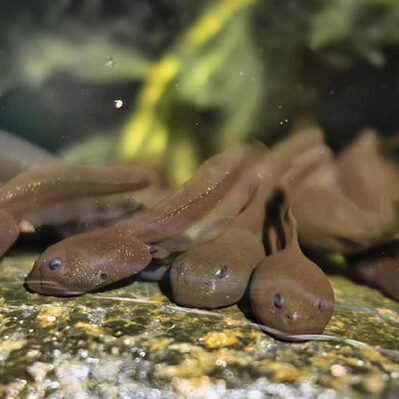
The first or second season, the younger generation of the frog family will grow legs up to three inches long. These tadpoles will actively devour decayed matter and green algae. They are harmless to fish and plants. This native tadpole survives harsh winters.
Remember to get some Tadpole Food, too.