• 'Water Pennywort'

    ‘Water Pennywort’

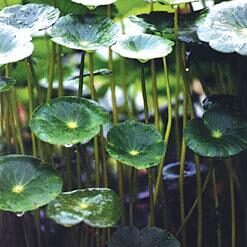
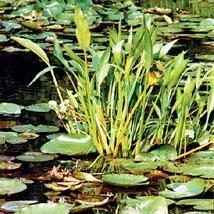
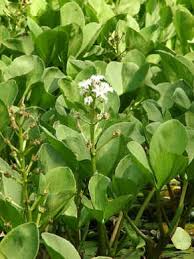
    The ‘Water Pennywort’ aquatic plant have round penny-shaped leaves balanced perfectly on its stem that extends from 4 to 12 inches above the water.

    This is a showy fast growing foliage plant. The plant bears numerous small white flowers. Native in the United States.


  • 'Common Cattail' Plants

    ‘Common Cattail’ Plants

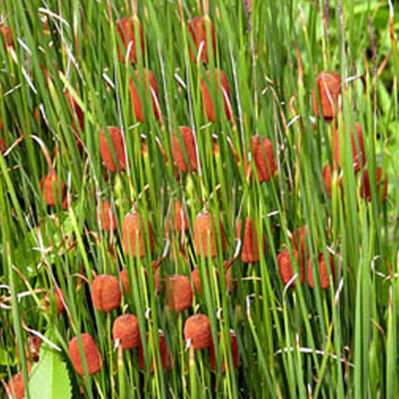
    The ‘Common Cattail’ is a favorite native swamp plants with tall foliage and large brown cattails.

    They make an attractive site in your pond or lake especially during a gentle summer breeze.

    These cattail bog plants help to clarify the water.

  • 'Rainbow Water Celery' Plant

    ‘Rainbow Water Celery’

    This ‘Rainbow Water Celery’ Plant plant grows rapidly and can spread across the water using its rhizomes. It’ll add a most attractive display to your water garden.

  • 'Water Forget-Me-Not'

    ‘Water Forget-Me-Not’

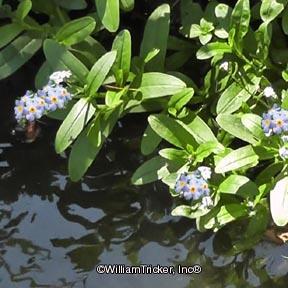
    Everyone is familiar with the popular forget-me-not flowers frequently seen in parks and terrestrial gardens. Here is it’s aquatic counterpart ? the Water Forget-Me-Not.

    During early summer this charming plant is absolutely smothered in sky blue flowers that resemble almost exactly those of its terrestrial counterpart.

    Sales are prohibited in Wisconsin, Maine, and California.

  • Glyceria Bog Plant

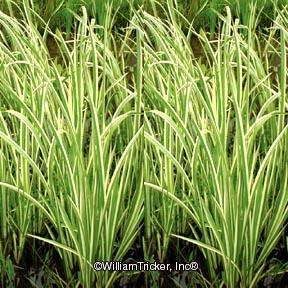
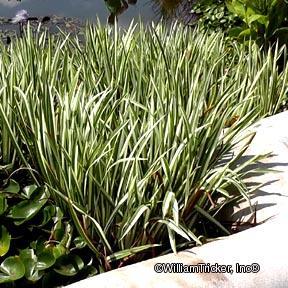
    Variegated Glyceria

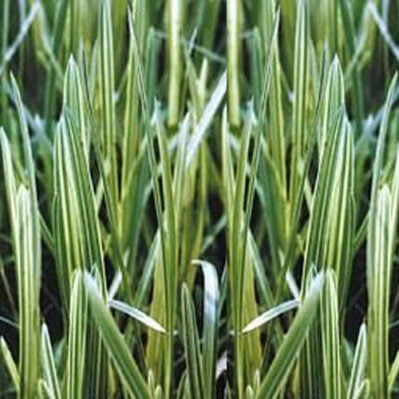
    Glyceria is an easy to grow water side plant with striking vegetation. The light-moderate green leaves display white stripes.

  • 'Common Sweet Flag' Plant

    Common Sweet Flag Plant

    This ‘Common Sweet Flag’ is a perfect marginal (perimeter) plant that grows 2 to 3 feet tall. It was once used for aromatic candles because when the plant is cut or bruised, a spicy sweet citrus scent is released.

    It has an outstanding foliage perfect for any size water garden.

  • 'Grassleaf Arrowhead' Aquatic Plant

    ‘Grassleaf Arrowhead’ Aquatic Plant

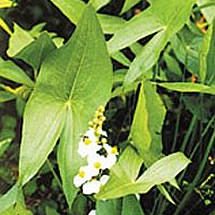
    Native to the United States, this ‘Grassleaf Arrowhead’ is an easy-to-grow bog plant with pure white flowers and contrasting green leaves.

    It can reach 24″ tall and survives harsh winters.

  • 'Giant Arrowhead'

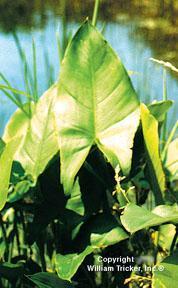
    ‘Giant Arrowhead’

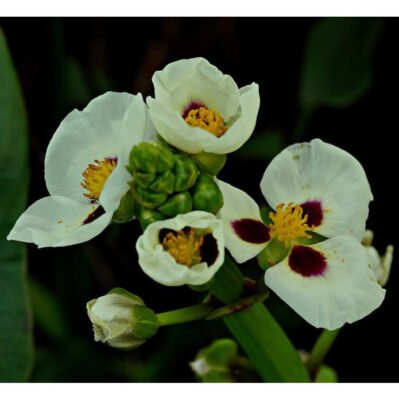
    The ‘Giant Arrowhead’ is mainly found in water, but it can also be seen growing near the borders of ponds in shallow, temporary water, and sometimes in muddy areas influenced by tides. This perennial plant has leaves that can grow as tall as 1 to 3 feet. Its beautiful flowers blossom from June until September.

  • Variegated 4-Leaf Clover

    ‘Variegated Four-Leaf Clover’ Plant

    The ‘Variegated Four-Leaf Clover’ is related to the ferns that adds a charming look for every water garden. Consider bringing the luck of the whimsical leprechaun to your water display this year.

  • Bogbean

    Early Flowering ‘Bogbean’

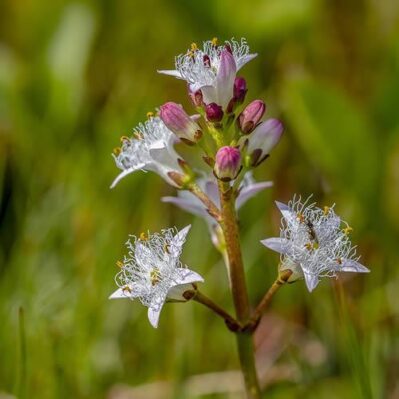
    The perennial ‘Bogbean’ has creeping root stalks in shallow water. The fragrant white flowers grow atop its stout stalks, fringed and suffused with pink coloration.

    It will be one of your first aquatic plants to bloom in spring and to survive harsh winters under ice and snow.

    Bogbean (Menyanthes trifoliata), also referred to as Buckbean or Marsh Trefoil, is a perennial aquatic wildflower indigenous to the bogs, marshes, and shallow waters of the Northern Hemisphere. It is the sole species within the Menyanthes genus, showcasing unique adaptations to its wetland habitat.

    This plant is characterized by its striking star-shaped white flowers, often adorned with a pink hue on the exterior. The five petals feature a dense fringe of white hairs on their inner surfaces, creating a visually appealing display that typically blooms from April to July. Its trifoliate leaves, resembling those of broad beans, consist of three smooth, oval leaflets. Bogbean spreads through thick, creeping rhizomes that can either float on water or anchor in saturated soil, generally reaching heights of 20 to 40 cm (8 to 16 inches).

    Bogbean flourishes in acidic, wet environments such as fens and the edges of slow-moving water, providing crucial habitats for dragonflies and damselflies. In gardening, it is often utilized as a marginal pond plant due to its attractive blooms and soil-stabilizing properties. Historically, the plant’s bitter leaves served as a substitute for hops in brewing, and it has been used in traditional medicine as a digestive tonic, although scientific support for these uses is limited. Caution is advised, as consuming large amounts can lead to stomach irritation and nausea.


  • 'Lizard's Tail Bog Plants

    Lizard’s Tail Bog Plants

    An unusual plant, the Lizard’s Tail is native to the USA and has small vanilla scented flowers and heart-shaped leaves.

  • 'Cardinal' Flower

    Cardinal Flower

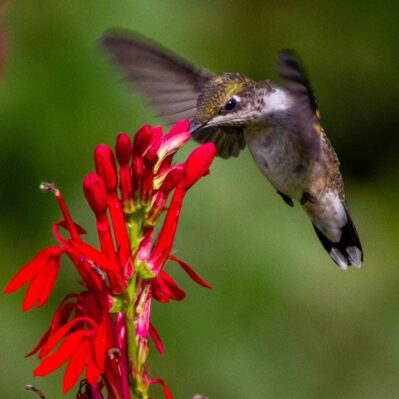
    The Cardinal Flower (Lobelia cardinalis) is a visually stunning perennial native to North America, celebrated for its vibrant scarlet-red flower spikes that bloom from midsummer through early fall. Gardeners highly value this plant for its ability to draw in hummingbirds and butterflies, making it a popular choice for wetland and damp garden areas.

    This plant showcases striking red, tubular flowers that are two-lipped and bloom sequentially from the bottom to the top of stalks that typically grow between 2 to 4 feet tall. Its foliage consists of dark green, lance-shaped leaves with finely serrated edges.

    In terms of cultivation, the Cardinal Flower thrives in full sun to partial shade, particularly benefiting from afternoon shade in hotter southern regions. It requires consistently moist to wet, nutrient-rich soil, making it ideal for rain gardens, pond edges, and boggy environments. While generally hardy in USDA zones 2–9, it is often a short-lived perennial that sustains itself through self-seeding or the production of new offshoots.

    1. For optimal growth, it is advisable to plant in early spring or early fall. The seeds require exposure to light for germination and may benefit from a cold stratification period to enhance their chances of sprouting.

    2. Proper maintenance is crucial; ensure that the soil remains consistently moist. During winter, avoid heavy mulching or covering the evergreen basal rosettes with leaf litter, as they need light for photosynthesis to thrive.

    3. Propagation is straightforward, as young rosettes can be divided in spring, or seeds can be sown directly onto bare, moist soil. Additionally, the plant is generally resistant to deer and rabbits due to its toxic sap, making it a suitable choice for gardens in areas with wildlife.


  • Centerpiece 8 Shallow-Water Plants Surprise Collection: Tropical and Hardy

    Centerpiece 8 Shallow-Water Plants Surprise Collection: Tropical & Hardy

    The “Centerpiece 8 Collection” features a selection of eight (8) shallow-water plants carefully chosen by our skilled greenhouse team to elevate the beauty of your water garden.

    Resembling the plants popular in the 1920s, this collection will provide your water garden with a timeless and inviting appearance. These plants have been favorites among Tricker’s customers for many years, ensuring their quality and appeal.

    The collection comprises eight (8) shallow-water plants  (tropical and hardy ) that are beloved for their popularity and beauty.

  • On Sale Today! Japanese Six Dwarf Shallow-Water Garden Surprise Collection

    Japanese Six Dwarf Shallow-Water Garden Surprise Collection: Tropical & Hardy

    To create an authentic Japanese garden, it is essential to have a unique assortment of six (6) miniature tropical and hardy bog and shallow water plants that thrive in shallow water.

    The varying heights and textures of these plants will bring a distinctive charm to the overall look and feel of your garden.

    Not Included: water lilies or lotuses. This is a collection of plants to set near the perimeter of your pond to complete the scene.

    All six plants will be carefully selected by the greenhouse crew.

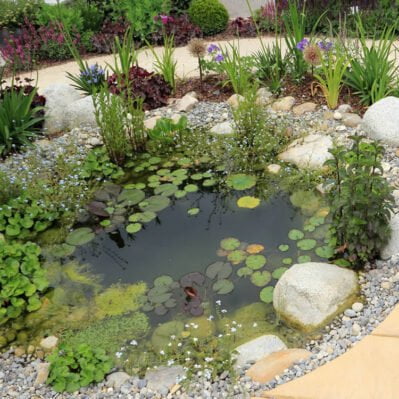
  • Aquatic bog and marginal plants are growing among rocks in the little pond in the backyard.Marginal aquatic plants for the perimeter.

    ‘Tricker’s 10 Surprise Collection: Shallow-Water & Bog Plants

    “Tricker’s Special 10 Collection” is a wonderful mixture of 10 hardy and tropical varieties of shallow water and bog plants for your water garden pool. Place marginal plants around the perimeter and bog plants in the muddy area to complete your design.

    All varieties are selected by our crew and will be labeled and specially priced and selected for prolific growth.

    Not Included: Water lilies and lotuses. This is to complete your pond with plants that grow at the perimeter in soggy soil or shallow water.

  • 'Variegated Sweet Flag' Plants

    Variegated Sweet Flag Plants

    The ‘Variegated Sweet Flag’ bog plant is a cousin to the sweet flag but variegated.

    It grows 2 to 3 feet tall and has similar blades to the iris.

    When any part of the plant is crushed, cut or bruised it will emit a spicy sweet citrus scent.

    This will make an outstanding plant for any size water garden with its unusual flower.

  • Yellow Iris Marginal Plant for the Pond PerimeterYellow Iris at bank of lake/pond

    Yellow Water Iris Flower

    The leaves broad and sword-like. This is the water garden variety that loves the water garden pond.

    Shipping is not permitted to Connecticut, Delaware, Maryland, New Hampshire, North Carolina, Oregon, Tennessee, Virginia, Vermont, Washington, Wisconsin, and West Virginia

  • Blue Iris Marginal Aquatic FlowerBlue Iris Field of Flowers

    Blue Iris Flowers For Pond Margins

    The Blue Iris was growing over a century ago, around 1900. Even back then, the beauty of the Blue Iris is selected for its form and admiration.

  • Spike Rush Bog Plants

    Spike Rush Bog Plant

    ‘Spike Rush’ is a grass-like native aquatic plant that grows in wonderful green clumps with attractive brown flower tops. Easy to grow and adds a dash of color to your water garden pool. It can grow about one foot tall.

  • 'Arrow Arum' Bog Plant

    ‘Arrow Arum’ Bog Plant

    This ‘Arrow Arum’ is a handsome sub-aquatic plant for shallow water at the edge of the pond. It grows glossy, arrowhead-shaped leaves, that are very fleshy similar to the “Hardy Calla”. The flower mass and fruits are greenish.

    This species is native to the United States.