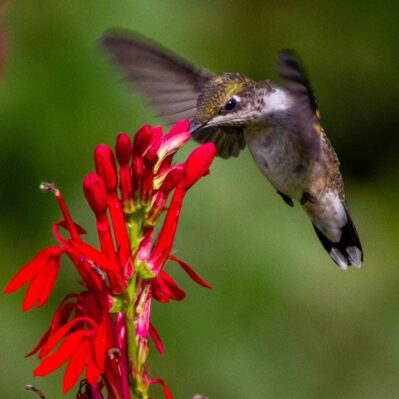
The Cardinal Flower (Lobelia cardinalis) is a visually stunning perennial native to North America, celebrated for its vibrant scarlet-red flower spikes that bloom from midsummer through early fall. Gardeners highly value this plant for its ability to draw in hummingbirds and butterflies, making it a popular choice for wetland and damp garden areas.
This plant showcases striking red, tubular flowers that are two-lipped and bloom sequentially from the bottom to the top of stalks that typically grow between 2 to 4 feet tall. Its foliage consists of dark green, lance-shaped leaves with finely serrated edges.
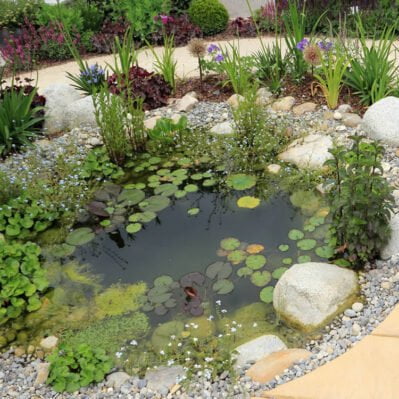
In terms of cultivation, the Cardinal Flower thrives in full sun to partial shade, particularly benefiting from afternoon shade in hotter southern regions. It requires consistently moist to wet, nutrient-rich soil, making it ideal for rain gardens, pond edges, and boggy environments. While generally hardy in USDA zones 2–9, it is often a short-lived perennial that sustains itself through self-seeding or the production of new offshoots.
1. For optimal growth, it is advisable to plant in early spring or early fall. The seeds require exposure to light for germination and may benefit from a cold stratification period to enhance their chances of sprouting.
2. Proper maintenance is crucial; ensure that the soil remains consistently moist. During winter, avoid heavy mulching or covering the evergreen basal rosettes with leaf litter, as they need light for photosynthesis to thrive.
3. Propagation is straightforward, as young rosettes can be divided in spring, or seeds can be sown directly onto bare, moist soil. Additionally, the plant is generally resistant to deer and rabbits due to its toxic sap, making it a suitable choice for gardens in areas with wildlife.